


Introduction
The Role of Technology in Daily Life
In today’s fast-paced world, technology touches almost every aspect of our daily lives. From smartphones and laptops to smart home devices and wearable gadgets, we rely on technology not just for convenience but for productivity, communication, and entertainment.
Why Comparing Tech Products Matters
Choosing the right tech product can be overwhelming—and making the wrong choice can be costly. Comparing technology products helps you:
Save Money
By understanding differences in price and value, you can avoid overspending on features you don’t need.
Make Better Choices
Evaluating specifications, reviews, and performance ensures you get a device that truly fits your lifestyle.
What You’ll Learn From This Guide
In this guide, you’ll discover how to:
- Effectively compare tech products before buying
- Identify key features and specifications that matter most
- Make informed purchasing decisions to get the best value
Whether you’re buying your first device or upgrading to the latest model, this guide equips you with the knowledge to shop wisely and confidently.
Budget Smartphones

a. Key Features to Consider
Battery Life
- Capacity (mAh): Higher usually means longer life
- Fast charging support: Saves time during daily use
Camera Quality
- Megapixels (MP): Gives an idea of resolution
- Low‑light performance: Important for night photos and indoor shots
Performance
- CPU & GPU: Determines speed and smoothness
- RAM: Affects multitasking and app handling
Storage
- Internal storage type & size
- Expandable options (microSD) vs fixed storage
Display Quality
- Panel type: LCD vs AMOLED
- Refresh rate: Higher (90–120 Hz) improves smoothness
b. Top Budget Options
Samsung Galaxy A‑series
- Balanced performance and brand reliability
Xiaomi Redmi Note Series
- Strong specs for the price
Realme Number Series
- Competitive features and performance
Google Pixel A‑series
- Excellent camera software and clean Android experience
c. Pros and Cons
Pros
- Great everyday usability
- Solid battery life
- Most are very affordable
Cons
- Limited performance for heavy gaming
- Missing some premium features
- Build quality may feel less robust
d. Buying Tips
Prioritize What Matters Most
- Decide if battery, camera, or performance is your top need
Read Reviews & Tests
- Look for real‑world battery stats and camera samples
Compare Prices & Deals
- Check multiple sellers and seasonal offers before buying
Wireless Earbuds and Headphones
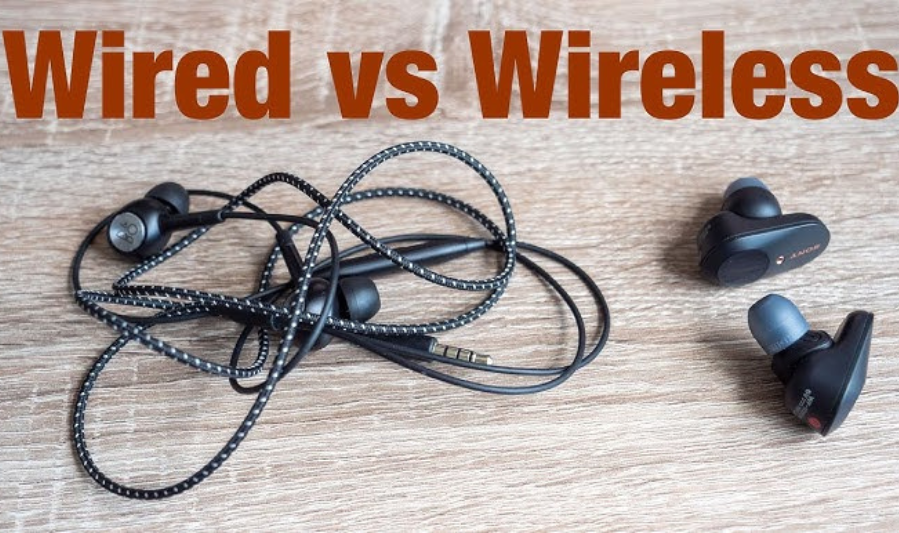
a. Key Features
Sound Quality
- Bass, clarity, and overall balance
- Frequency response and driver size influence audio
Battery Life
- Playtime per charge (earbuds/headphones + charging case)
- Fast charging support adds convenience
Comfort and Fit
- Ear tips sizes (for earbuds)
- Headband and ear cup padding (for headphones)
Connectivity
- Bluetooth version (Bluetooth 5.0 or higher recommended)
- Stable pairing and range
Extra Features
- Active Noise Cancellation (ANC) reduces background noise
- Touch controls for playback and calls
- Transparency mode, voice assistant support
b. Budget vs Premium Comparison
Sound & Features
- Budget: Decent audio for casual listening
- Premium: Richer soundstage, better detail, more features (e.g., ANC)
Battery & Durability
- Premium models often last longer per charge
- Build quality and materials are typically sturdier
c. Top Budget Options
Redmi Buds 5
Affordable option with decent sound and battery life
Anker Soundcore Life P2
Balanced audio and reliable Bluetooth connection
JBL Tune 510BT
Strong brand sound signature and comfort
Sony WH‑CH520
Comfortable over‑ear design and solid performance
d. Buying Tips
Match Usage to Needs
- Commuting, workouts, or casual listening require different features
Test Comfort and Fit
- Earbuds should seal well; headphones should sit comfortably
Check Device Compatibility
- Ensure Bluetooth features (e.g., codecs) work with your phone or laptop
Smart Home Devices
a. Types
Smart Bulbs
- Change brightness and color with apps or voice commands
- Schedule on/off and routines
Smart Plugs
- Turn regular devices into “smart” devices
- Great for lamps, fans, and coffee makers
Smart Speakers
- Play music, answer questions, control other smart devices
- Often include built‑in voice assistants
Home Security Options
- Smart Cameras: Monitor doors, rooms, and outdoor areas
- Sensors: Motion, door/window sensors for alerts and automation
b. Benefits
Convenience
- Control lights, appliances, and devices from anywhere
- Set routines (e.g., lights on at sunset)
Energy Efficiency
- Reduce waste by scheduling or automating devices
- Track usage and cut down bills
Home Automation
- Coordinate devices: e.g., lights turn on when motion is detected
- Voice control for hands‑free use
Budget‑Friendly Ways to Start
- Begin with smart plugs or bulbs before larger systems
- Add devices gradually as needed
c. Compatibility and Setup
Choose an Ecosystem
- Google Home: Works with many brands
- Amazon Alexa: Wide device support and skills
- Apple HomeKit: Strong privacy and seamless Apple integration
Wi‑Fi and Apps
- Reliable Wi‑Fi (2.4 GHz often required)
- Install and link device apps to your smart hub
Step‑by‑Step Setup Tips
- Install the device app on your phone
- Connect to Wi‑Fi and create an account if needed
- Add the device in your app/hub
- Assign names and rooms for easier control
d. Safety Considerations
Network Security
- Use strong, unique Wi‑Fi passwords
- Consider a separate guest network for IoT devices
Firmware Updates
- Regular updates patch security flaws
- Enable auto‑updates if available
Data Privacy Awareness
- Understand what data the device collects
- Review privacy settings and limit permissions when possible
You may also like to read these posts:
Easy Ways to Speed Up Your Slow PC in Minutes
Beginner’s Guide: How to Install Software on Windows/Mac
Top Tips to Improve Website Performance and User Experience
Beginner’s Guide: How to Solve Common Technology Problems
Beginner-Friendly Tech Guides: Learn Technology the Easy Way
Fitness and Health Gadgets
a. Key Features
Step Count
- Tracks daily steps and activity levels
- Useful for setting movement goals
Heart Rate Monitoring
- Measures your pulse throughout the day
- Helps assess effort during workouts
Sleep Tracking
- Monitors sleep duration and quality
- Can show different sleep stages
Calorie Tracking & Workout Reminders
- Estimates calories burned
- Alerts to stay active or complete scheduled workouts
App Integration
- Syncs data with companion apps
- Provides insights, trends, and long‑term progress
b. Budget Options
Fitness Trackers
- Xiaomi: Reliable step, heart rate tracking
- Realme: Good value with essential metrics
- Amazfit: Balanced features and battery life
Smartwatches (Budget Models)
- Offer core features like activity tracking, notifications, and heart monitoring
- A step up if you want a touchscreen and more daily functions
c. Tips for Beginners
Start with Essential Features
- Don’t overpay for advanced metrics you may not use
- Focus on tracking steps, heart rate, and sleep first
Comfort and Ease of Use
- Choose a device you can wear all day
- Comfortable straps and lightweight design matter
Sync with Smartphone Apps
- Pair your gadget with its app
- Review daily summaries and longer trends for motivation
Faqs:
What is the best budget smartphone in 2026?
The best budget smartphone depends on your priorities. For overall performance and camera quality, models like the Samsung Galaxy A-series or Xiaomi Redmi Note series offer great value.
Are budget wireless earbuds worth buying?
Yes. Many affordable earbuds provide good sound, decent battery life, and comfort. While they may not match premium models in advanced features like ANC, they are ideal for everyday use.
How do I choose the right smart home device for my home?
Start small and focus on essential devices like smart bulbs, plugs, or a basic smart speaker. Ensure compatibility with your existing ecosystem (Google, Alexa, or Apple HomeKit) and a stable Wi-Fi network.
Do fitness trackers and budget smartwatches provide accurate data?
For basic tracking—steps, heart rate, and sleep—budget devices are generally reliable. However, extreme precision may vary compared to high-end models. Focus on trends and consistency rather than exact numbers.
What should I look for in a power bank?
Key features include battery capacity (mAh), fast charging support, multiple ports, and safety features like overcharge protection. Choose capacity based on your daily usage and device requirements.
Conclusion
Choosing the right tech products doesn’t have to break the bank. This best tech products comparison guide highlights budget-friendly options for smartphones, wireless earbuds, smart home devices, fitness gadgets, and power banks, helping you make informed decisions.
By focusing on key features, understanding pros and cons, and comparing products, you can find devices that meet your needs, improve daily life, and offer excellent value for money. Whether you’re a beginner, student, or casual user, smart choices in technology ensure convenience, productivity, and entertainment—all without overspending.


